
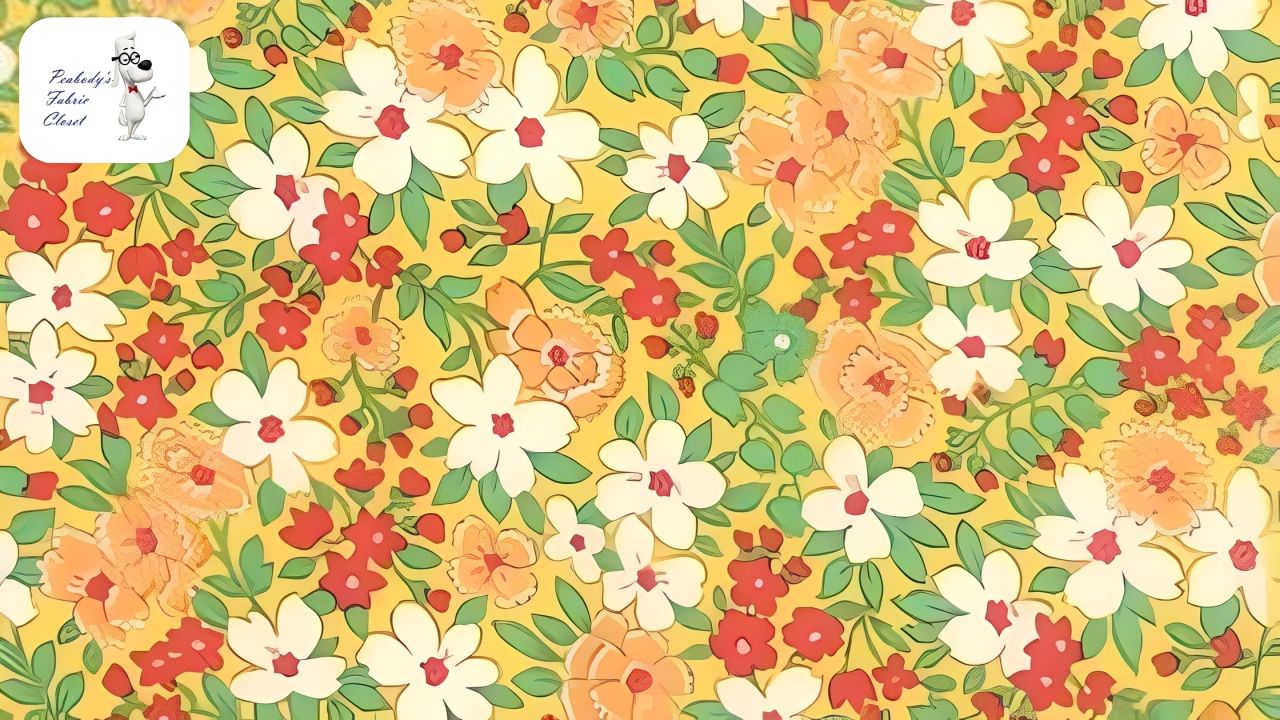
A quilting project usually starts with excitement. A design idea, a color plan, or even a simple inspiration can feel clear at the beginning. But once fabric selection begins, many quilters notice that things can get tricky. Some fabrics look perfect but behave differently during cutting or stitching. Others may not align well when multiple pieces come together in a quilt.
This is where fabric choice quietly becomes the most important step in the entire process. Peabody’s Fabric Closet focuses on quilting cotton that supports real sewing needs, where fabric is not just about appearance but about how it performs in actual use. For many makers, choosing premium cotton quilting fabric is about reducing uncertainty and working with material that feels more dependable from the first cut to the final stitch.
Why fabric problems often show up after sewing begins
At first glance, fabric can feel easy to choose. Colors stand out, patterns look appealing, and it feels like the project is on track. But quilting has its own demands. Fabric is constantly handled, pressed, stitched, and layered. That is when small issues begin to show.
Some fabrics shift slightly while sewing. Others may not hold shape evenly across quilt blocks. Even small differences in texture can create alignment challenges when multiple pieces are joined together. These issues do not always appear during purchase but become visible during construction.
This is one of the main reasons quilters pay attention to how fabric behaves rather than only how it looks. When selecting premium quilt cotton fabric, the goal is usually to avoid these small interruptions that can affect the flow of a project.
What makes quilting cotton a practical choice for makers?
Cotton has remained one of the most commonly used materials in quilting because of its balance between softness and structure. It is generally easier to cut, stitch, and press, which makes it suitable for detailed quilting work.
Peabody’s Fabric Closet focuses on quilting cotton selections that support everyday sewing needs. The intention is to provide fabric that is practical for real projects rather than complicated to handle. This makes it easier for quilters to move through each stage of their work without unnecessary adjustments.
When fabric behaves consistently, the process feels more controlled. Pieces align better, stitching becomes smoother, and the quilt takes shape more predictably. This is often what makers expect when they choose premium cotton quilting fabric for their projects.
How quilting becomes easier when fabric stays consistent
A quilt is built step by step. It starts with cutting fabric into pieces, then arranging and stitching those pieces together. After that comes pressing and assembling the final structure. Each step depends heavily on how the fabric responds during handling.
When fabric is consistent, cutting becomes cleaner and piecing becomes more accurate. The fabric stays in place better during stitching, which reduces the need for corrections later. This helps the entire process move forward without unnecessary interruptions.
For many quilters, this consistency is one of the biggest reasons they prefer working with premium quilt cotton fabric, especially when projects involve multiple coordinated prints or detailed patterns.
What quilters actually look for when choosing fabric?
Most quilters do not start by focusing only on design. They usually think about how the fabric will behave in real use. Will it hold shape well. Will it align easily with other fabrics. Will it stay stable through stitching and finishing.
These practical questions guide most fabric decisions. Quilting is not just about creativity. It is also about structure and execution. When fabric supports both, the process becomes much smoother.
This is why careful selection matters so much, especially when working with premium cotton quilting fabric that is expected to perform consistently across different stages of a quilt.
Why experience changes fabric choices over time
With experience, quilters begin to notice differences in how fabrics behave. Some fabrics feel easier to manage during stitching, while others require more adjustment. Over time, these small observations help build stronger judgment in fabric selection.
As quilters gain more experience, they tend to prioritize stability and usability over appearance alone. They begin to understand that fabric is not just part of the design, but part of the process itself.
Working with premium quilt cotton fabric over time helps reinforce this understanding because it provides a more predictable base for learning and improving quilting skills.
A simpler way to think about quilting projects
Quilting does not need to be complicated, but it does require thoughtful material choices. When fabric is easy to handle and behaves consistently, the entire process becomes more manageable.
Peabody’s Fabric Closet focuses on quilting cotton options that are practical for everyday sewing and quilting projects. The goal is to help makers spend less time dealing with fabric issues and more time focusing on building their designs.
This approach supports smoother progress from planning to finishing, especially for quilters working on projects that require multiple fabric combinations.
Why fabric choice quietly decides the result
Every quilt tells a story through fabric. The way pieces fit together, the way seams align, and the way the final quilt holds its shape all depend on the fabric used at the beginning.
When fabric is stable and reliable, the quilting process becomes more predictable. It reduces unexpected issues during stitching and helps maintain consistency across the entire project.
For many makers, choosing premium cotton quilting fabric is not about labels or trends. It is about reducing uncertainty and improving control over how the quilt comes together.
Final thoughts
Quilting is a craft built on small decisions that come together to create something complete. Fabric is one of the most important of those decisions because it influences every stage of the process.
When fabric behaves consistently, it supports smoother sewing, better alignment, and a more enjoyable quilting experience. It allows makers to focus more on creativity and less on correcting material issues.
Peabody’s Fabric Closet focuses on quilting cotton that supports real sewing needs in a practical way. For many quilters, choosing premium quilt cotton fabric becomes a simple decision rooted in one idea. Better fabric leads to a more stable, predictable, and satisfying quilting process from start to finish.